
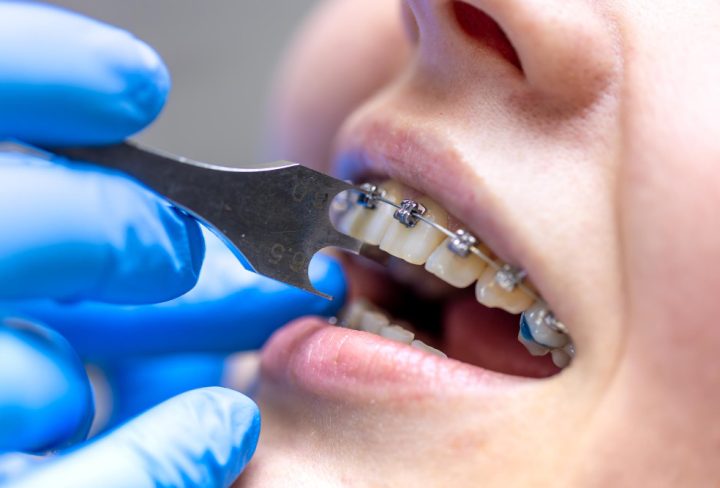
What Are Dental Braces?
Dental braces are special devices used to straighten teeth. They help fix crowded, crooked, or uneven teeth. Often, braces are part of orthodontic treatment. Many people, both children and adults, use dental braces to improve their smile. In most cases, braces use gentle pressure to move teeth into better positions over time.
Who Needs Dental Braces?
Not everyone needs dental braces. However, some signs show you might benefit from them. For example, you may need braces if you have:
Usually, a dentist or orthodontist will check your teeth and suggest if braces are right for you.
Benefits of Dental Braces
Dental braces offer many benefits. First, they help straighten teeth, which can boost your confidence. Also, straight teeth are easier to clean, so you may have fewer cavities. In addition, braces can fix bite problems, making it easier to chew and speak. Over time, braces may even help prevent jaw pain and tooth wear.
Types of Dental Braces
There are several types of dental braces. Each type has its own features. Here are the most common options:
Your orthodontist will help you choose the best type for your needs.
The Braces Procedure: Step-by-Step
Getting dental braces is a step-by-step process. Here is what you can expect:
Caring for Dental Braces
Proper care is important when you have dental braces. With good habits, you can avoid problems like cavities or broken braces. Here are some braces care tips:
Common Questions and Myths
Many people have questions about dental braces. Here are some common ones:
Still, if you have more questions, ask your orthodontist for clear answers.
Potential Risks and Side Effects
While dental braces are safe, there can be some risks. For example, you might get sore spots or mouth ulcers. Sometimes, braces can cause tooth decay if you do not clean well. Rarely, you may have an allergic reaction to the metal. However, most side effects are mild and go away with good care.
Tips for a Smooth Braces Experience
Wearing braces can feel strange at first. However, these tips can help:
With patience and care, you will adjust to your new braces quickly.
Prevention and Oral Hygiene During Braces
Good oral hygiene is even more important with braces. For best results, brush and floss carefully every day. In addition, avoid sugary snacks and drinks. This helps prevent cavities and gum problems. Regular dental check-ups are also key. By keeping your mouth clean, you can enjoy a healthy, beautiful smile after your braces come off.
For more information or to see if dental braces are right for you, consult a qualified dentist or orthodontist for personalized advice about dental braces.