
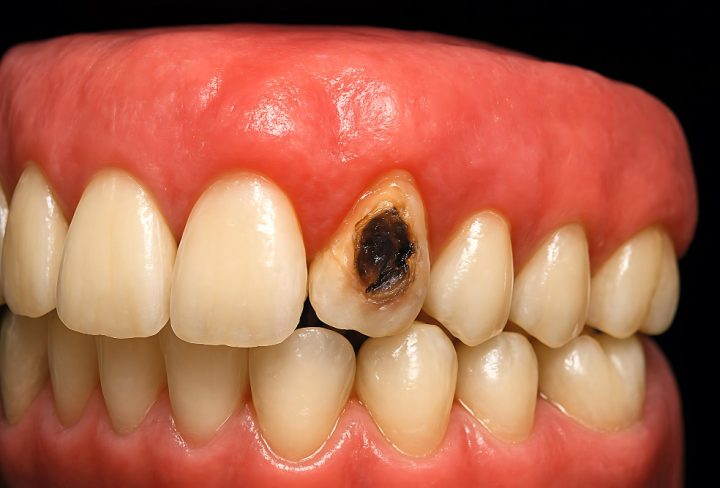
What Is Deep Tooth Decay?
Deep tooth decay happens when a cavity grows and reaches the inner layers of your tooth. At this stage, the decay can cause pain and may threaten the health of your natural tooth. Early treatment is key, but even with deep decay, dentists have ways to help save your tooth. According to the CDC, tooth decay is one of the most common dental problems worldwide. Deep tooth decay treatment focuses on removing the damaged area and protecting the rest of your tooth.
Common Symptoms
Often, deep tooth decay causes noticeable symptoms. However, some people may not feel pain until the decay is advanced. Watch for these signs:
If you notice any of these symptoms, it is important to see a dentist near you as soon as possible. Early care can help preserve your natural teeth with decay.
Causes and Risk Factors
Deep tooth decay starts when bacteria in your mouth feed on sugars from food and drinks. Over time, these bacteria make acids that wear down your tooth enamel. As a result, cavities form and can grow deeper if not treated. Several factors can increase your risk:
For example, children and older adults may be at higher risk. But anyone can develop deep tooth decay if these risk factors are present.
Diagnosis Methods
Dentists use several methods to diagnose deep tooth decay. First, they will ask about your symptoms and check your mouth. Next, they may use special tools to look for soft spots or holes in your teeth. In many cases, X-rays help show how far the decay has spread. Sometimes, a dentist will use a bright light or dye to spot hidden cavities. Early diagnosis gives you more options for deep tooth decay treatment and helps with preserving natural teeth with decay.
Treatment Options to Preserve Natural Teeth
Even with deep decay, dentists aim to save your natural tooth whenever possible. Here are common treatment options:
For advanced cases, dentists near you may offer different options based on your needs. The goal is always to save your natural tooth if possible.
Prevention Tips
Preventing deep tooth decay is easier than treating it. You can lower your risk with these simple steps:
By following these tips, you can help keep your teeth healthy and avoid deep tooth decay treatment in the future.
Lifestyle Guidance for Oral Health
Healthy habits play a big role in keeping your teeth strong. For instance, eating a balanced diet supports your teeth and gums. Try to choose foods rich in calcium, like milk and leafy greens. In addition, avoid smoking or chewing tobacco, as these can harm your mouth. If you play sports, wear a mouthguard to protect your teeth from injury. Finally, teach children good oral care habits early. With these lifestyle choices, you can help preserve your natural teeth with decay and enjoy a healthy smile for years to come.