
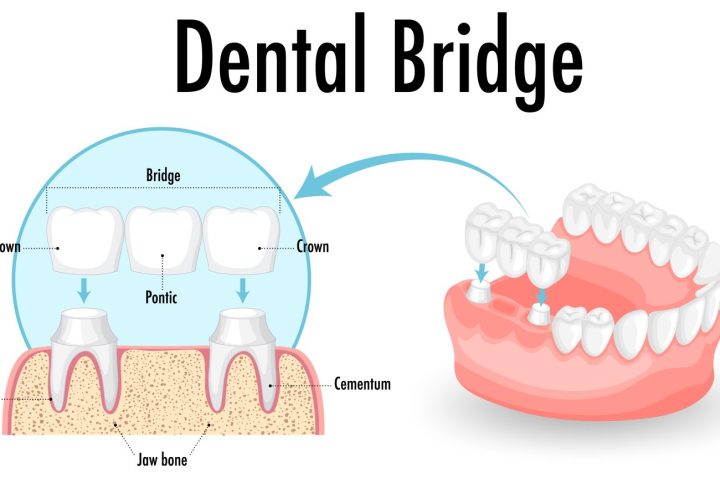
Missing teeth can affect your smile and how you eat. Dental bridges offer a fixed way to replace missing teeth. Many people search for “dental bridges near me” to find a trusted dentist. With the right dental bridge, you can restore your bite and confidence. This guide explains dental bridges, their types, benefits, and how they work.
What Are Dental Bridges?
Dental bridges are fixed dental devices. They fill the gap left by one or more missing teeth. Dentists attach them to nearby teeth or implants. As a result, dental bridges help keep your other teeth in place. They also make chewing and speaking easier. According to the American Dental Association, bridges are a common way to replace missing teeth permanently.
Common Causes of Missing Teeth
Many people lose teeth for different reasons. Understanding these causes can help you protect your smile. Common reasons include:
For example, gum disease is a leading cause of adult tooth loss, according to the CDC. Early care can help prevent these problems.
Types of Dental Bridges
There are several fixed dental bridge options. Each type suits different needs. The main types include:
Because each type works differently, your dentist will help you choose the best option.
How Dental Bridges Work
Dental bridges fill the empty space left by missing teeth. First, the dentist prepares the teeth next to the gap. Next, they place crowns on these teeth. Then, the false tooth (called a pontic) sits in the gap. In some cases, dental implants hold the bridge in place. This fixed solution keeps your smile stable and helps you chew better.
Benefits of Dental Bridges
Dental bridges offer many advantages. For instance, they:
According to the World Health Organization, replacing missing teeth improves quality of life and oral health.
Who Is a Good Candidate for Dental Bridges?
Not everyone is a good fit for dental bridges. However, you may be a candidate if you:
Because every mouth is different, your dentist will check your teeth and gums before recommending a bridge.
The Dental Bridge Procedure: Step by Step
The dental bridge procedure explained step by step helps you know what to expect. Here is how it usually works:
Most people need two or more visits for the full process.
Caring for Dental Bridges
Proper care helps your dental bridge last longer. For best results, follow these tips:
With good care, dental bridges can last many years, sometimes over a decade.
Potential Risks and Complications
While dental bridges are safe, some risks exist. For example, you may notice:
However, regular dental visits and good hygiene lower these risks. If you notice pain or problems, contact your dentist right away.
Tips for Preventing Tooth Loss
Preventing tooth loss keeps your smile healthy. Try these simple steps:
For more advice, ask your dentist about ways to protect your teeth and gums. Early care can help you avoid the need for dental bridges in the future.